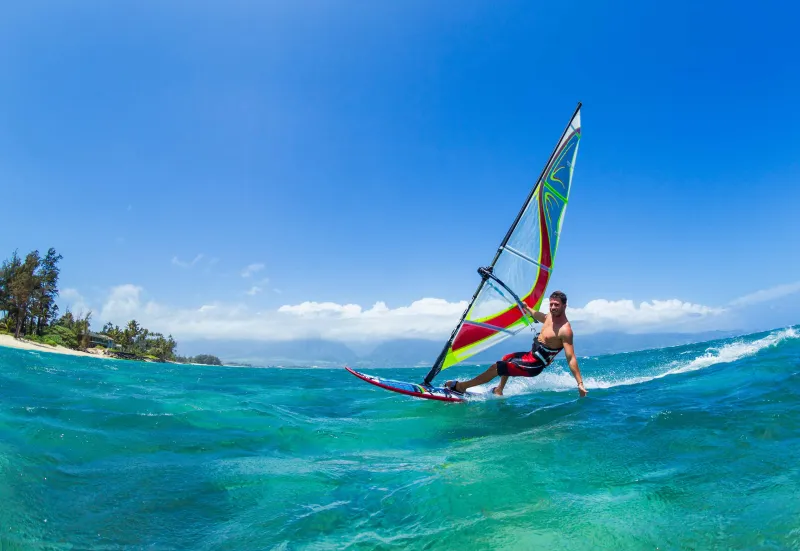
Wind Maps and Hidden Coves: A Local's Guide to Windsurfing Maui Like a Legend
Ask most American windsurfers about Maui and they'll immediately say Ho'okipa. And sure — Ho'okipa is extraordinary. The wave faces are world-class, the wind is consistent, and the lineage of legends who have ridden there reads like a hall of fame induction ceremony. But if Ho'okipa is the main stage, the rest of Maui's coastline is a sprawling festival nobody told you about.
For riders who want to connect with the island's deeper windsurfing soul — the places that shaped pioneers like Neil Pryde during the formative years of the sport — getting off the beaten path isn't just rewarding. It's kind of essential.
We talked to longtime local riders, instructors, and a few people who were actually around during the sport's early Maui days to put together this guide. Consider it your backstage pass.
Understanding Maui's Wind Before You Ride
Before we get into specific spots, a quick word on conditions — because Maui's wind is not a simple thing. The island sits in the path of the Hawaiian trade winds, which blow from the northeast with admirable consistency for much of the year. But Maui's varied topography — the massive volcanic shield of Haleakalā, the low saddle of the central valley, the steep sea cliffs of the north shore — creates micro-conditions that can vary dramatically from one beach to the next.
As a general rule, the north shore gets the most powerful and consistent trade wind exposure. The south shore, sheltered by Haleakalā, tends to offer lighter, thermally-driven winds that build through the afternoon. The west side is more protected but can surprise you with strong channel winds, especially in winter.
App-based forecasts are useful but locals will tell you that nothing replaces time on the island learning its rhythms. Plan to spend your first day or two watching and asking questions before you commit to a session at an unfamiliar spot.
Kanaha Beach Park: Where It All Started
Difficulty: Beginner to Intermediate | Wind: NE trades, consistent | Best Season: Spring through Fall
If Ho'okipa is where legends perform, Kanaha is where they were made. Located near Kahului Airport on Maui's north shore, Kanaha Beach Park has been a windsurfing hub since the earliest days of the sport on the island. Neil Pryde and his contemporaries spent countless hours here testing gear, refining techniques, and pushing each other to ride better.
The conditions are notably more forgiving than Ho'okipa — the water inside the reef is relatively flat, the winds are steady without being overwhelming, and there's plenty of space to work on fundamentals without feeling like you're in over your head. For riders coming from the mainland who are intermediate level and looking to build confidence in genuine trade wind conditions, Kanaha is the perfect entry point.
The beach itself is beautiful, with a long stretch of sand, good parking, and a community vibe that feels genuinely welcoming. You'll see everyone here — beginners taking their first tentative tacks, intermediate riders working on jibes, and the occasional pro warming up before heading to heavier water.
"Kanaha is the soul of Maui windsurfing in a way that doesn't always get recognized," says Danny Kahale, a Maui native who has been riding here for over 25 years. "This is where the culture lives."
Spreckelsville: The Overlooked Gem
Difficulty: Intermediate | Wind: Strong NE trades | Best Season: Summer
Just east of Kanaha, Spreckelsville offers a slightly different flavor — a bit more wind exposure, a choppier surface, and a notably less crowded beach. It's the kind of spot that rewards riders who do a little homework.
The wind here tends to run stronger than at Kanaha, making it ideal for riders who want to work on speed and planing technique. The chop is real but manageable, and the overall vibe is relaxed. You might share the water with a handful of kiteboarders and the occasional SUP paddler, but windsurfers still rule the scene.
Historically, this stretch of coastline was part of the informal testing circuit that early Maui windsurfers used to evaluate new equipment. The consistent exposure made it useful for back-to-back comparisons — ride the same sail or fin in similar conditions and see what the data tells you. That methodical approach to improvement was very much part of the culture Pryde helped build.
Maalaea Bay: The Speed Corridor
Difficulty: Intermediate to Advanced | Wind: Powerful thermal/channel combo | Best Season: Afternoon, year-round
Maalaea Bay, tucked into the south side of the central isthmus, has a reputation among windsurfers that borders on mythological. The combination of thermal winds funneling through the valley and channel winds from the Alenuihaha Channel can produce some of the fastest sailing conditions anywhere on earth. On a good afternoon, riders here regularly hit speeds that would be unthinkable in most other locations.
It's not a beginner spot by any stretch. The winds can build fast and strong, and the conditions demand solid jibing skills and the ability to handle a fully powered-up rig. But for riders who are ready for it, Maalaea offers a kind of pure speed experience that's genuinely addictive.
Locals will tell you to arrive early, watch the conditions for at least 30 minutes before rigging, and be conservative with your sail size choice. The bay has humbled plenty of experienced riders who underestimated how quickly things can build.
Kihei Boat Ramp Area: South Shore Afternoons
Difficulty: Beginner to Intermediate | Wind: Afternoon thermals | Best Season: Year-round afternoons
For a completely different Maui experience, the south shore around Kihei offers lighter, thermally-driven winds that build predictably through the afternoon. This is a great option for riders who want to explore a different side of the island's conditions — and for anyone who finds the north shore a bit too intense.
The water is typically calmer, the sun is almost always shining (Kihei is one of the driest spots on the island), and the overall vibe is more resort-casual. It's also a great base for exploring the area's restaurants and shops between sessions.
While this spot doesn't have the same direct connection to Neil Pryde's early testing history as the north shore spots, it represents the broader Maui water culture that made the island such a fertile ground for innovation — a place where the water is always accessible, the conditions are reliably interesting, and the community of riders is always happy to share knowledge.
Planning Your Trip: Practical Advice for US-Based Riders
Flights to Maui from the mainland are plentiful, with direct routes from Los Angeles, San Francisco, Seattle, and several other major hubs. Most major airlines will transport windsurf gear as checked baggage, though fees vary — call ahead and confirm policies before you book.
Rental gear is widely available through several shops near Kanaha, which is helpful if you'd rather not deal with hauling equipment across the Pacific. Local shops also tend to have the most current read on conditions and can point you toward whichever spots are working best on any given day.
The best overall months for a Maui windsurf trip are generally April through September, when the trade winds are most reliable. Winter can offer powerful surf-sailing conditions on the north shore, but it's less predictable for the casual visitor.
Most importantly — take your time. Maui's windsurfing culture rewards patience and curiosity. The riders who get the most out of the island are the ones who explore beyond the obvious, ask questions, and let the place teach them something. That spirit of discovery is exactly what drew Neil Pryde here in the first place.