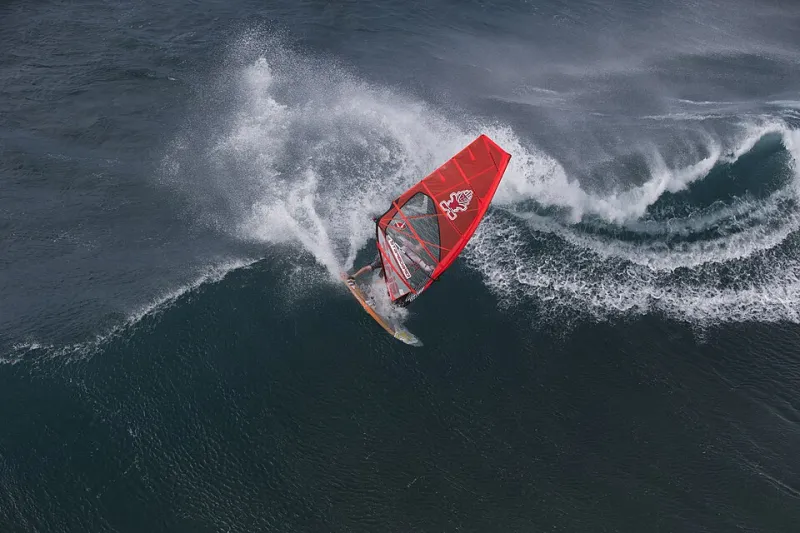
Coming Home to the Wind: Why Maui Calls Veteran Windsurfers Back When the Competitions Are Done
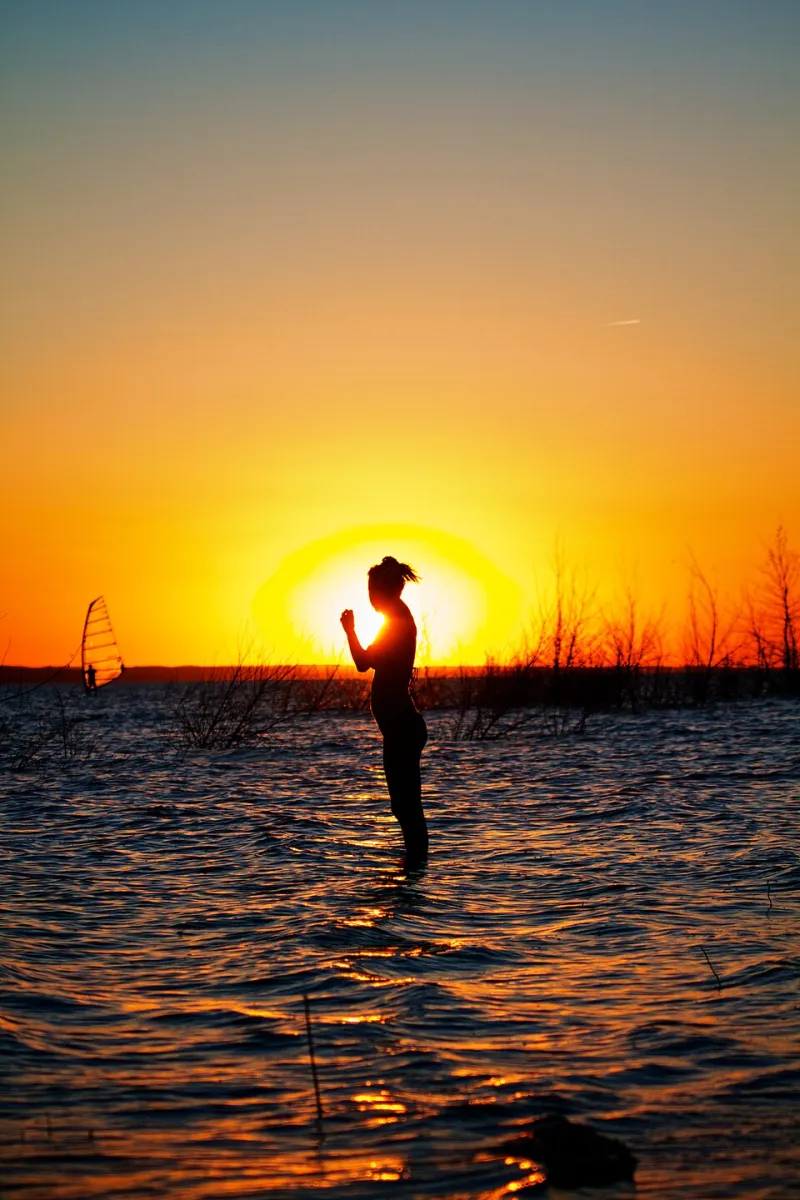
Photo: Zach Dischner, CC BY 2.0, via Wikimedia Commons
Ask a retired competitive windsurfer where they ended up, and there's a decent chance the answer involves a small house somewhere near Paia, a rack of boards in the garage, and a morning routine built around checking the Ho'okipa webcam before coffee. It's almost a cliché at this point — the veteran rider who spent twenty years chasing swells from Sylt to Fuerteventura, only to circle back to the island where, for many of them, everything started.
But clichés usually have something true at their center. And the story of why Maui becomes home for so many aging windsurfers is worth sitting with, because it says something real about what the sport gives people and what it takes from them — and what they're looking for when the pressure of competition finally lifts.
The Weight That Competition Puts On a Place
Here's something that competitive athletes across a lot of sports talk about: the way a beloved place can get complicated when it becomes your office. Maui has hosted some of the most significant windsurfing competitions in the sport's history. For riders who showed up year after year chasing rankings points, the island could start to feel less like paradise and more like a venue — a beautiful one, sure, but a venue nonetheless.
"I'd be at Ho'okipa and I'd be watching the sets come in, doing math in my head about wind angles and what the judges might score," said one former professional who competed through much of the 1990s and now lives in Haiku. "The whole thing was filtered through performance. I don't think I actually saw the place until I stopped competing."
That reframing — from Maui as competitive arena to Maui as lived-in home — is something a lot of veteran riders describe in similar terms. Retirement from competition doesn't diminish the island. For many, it reveals it.
What the Body Needs, and What Maui Provides
There's a practical dimension to this pilgrimage that doesn't get talked about enough. Windsurfing is a physically demanding sport, and the bodies of athletes who spent decades doing it at high intensity have specific needs. Joints that have absorbed years of impact. Muscles that need consistent movement to stay functional. A nervous system that, frankly, is used to a certain level of physical engagement and doesn't do well without it.
Maui's water is, in this sense, genuinely therapeutic. The trade winds that make the North Shore famous for high-performance sailing also mean that lighter, more forgiving conditions exist elsewhere on the island — particularly on the south and west shores, where riders can get on the water without needing to be in peak competitive shape.
Kihei and Kanaha Beach Park offer the kind of consistent, moderate wind that lets a 60-year-old former professional get a solid two-hour session without wrecking their knees. The water temperature means no wetsuit is required for most of the year, which matters more than you'd think to riders whose shoulder flexibility isn't what it was at 25.
"I ride four or five days a week here," said one retired competitor who moved to Maui full-time after stepping away from the pro circuit. "At home in Oregon, I was lucky to get out a dozen times a year between the cold and the conditions. Here, the water is basically always there for you. That's not nothing when your body needs to keep moving."
The Mentorship Pull
Something else draws these veterans back, and it's less about wind and more about people. Maui's windsurfing community is multigenerational in a way that few other spots in the world can match. There are groms learning to waterstart at Kanaha at the same time that legends are rigging up fifty feet away. The knowledge transfer that happens in that environment — casually, organically, between sessions — is remarkable.
For riders who spent their careers as students of the sport, becoming a teacher turns out to be its own kind of reward. Several of the veterans who've settled on Maui have formalized this through coaching or clinics. Others do it informally, offering tips to whoever's struggling with something they figured out decades ago.
"A kid was having trouble with his gybe timing last week and I spent maybe twenty minutes with him on the beach," said one former world-level competitor. "Watching him go out and actually get it — that felt better than a lot of heats I won. I'm not joking."
The mentorship dynamic also keeps veterans connected to the sport's evolution. The gear has changed dramatically since most of these riders were at their competitive peak. Spending time around younger riders means staying current with modern techniques and equipment, which keeps the experience fresh rather than nostalgic.
Rediscovering the Thing That Started It All
Maybe the deepest pull is the simplest one: joy. Not the complicated, pressure-laden joy of competition, but the clean, uncomplicated version that most of these riders first experienced as teenagers or young adults who just wanted to be on the water.
Maui has a way of returning people to that feeling. The light in the late afternoon when the trades are up and the water is textured and the West Maui Mountains are going purple in the distance — it's the kind of thing that makes you remember why you started. Not why you competed. Why you started.
For a generation of riders who gave enormous amounts of themselves to windsurfing as a profession, that return to uncomplicated love for the sport is genuinely moving to witness. They're not out there proving anything. They're not chasing scores or sponsors or social media moments. They're just riding.
"I think about Neil Pryde sometimes when I'm out there," said one veteran, adjusting his harness lines in the Kanaha parking lot. "What he built, what this place meant to the sport. And I think about how lucky we are that the water is still here, and the wind is still here, and we can still do this. That's not something to take lightly."
No, it really isn't. And Maui, for its part, doesn't seem to mind the company.