Putting Down Roots in the Trades: The Windsurfers Who Chose Maui Over Everything Else
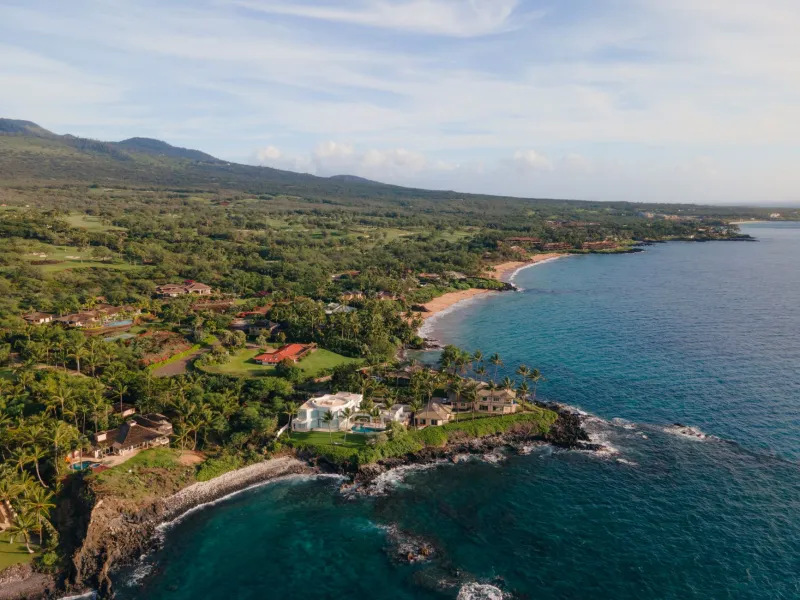
For most windsurfers on the mainland, Maui is a pilgrimage. You save up. You book the trip. You spend ten days riding Ho'okipa or Kanaha and come home sunburned and stoked, already planning the next visit. The island exists in your imagination as a place you go to, not a place you stay.
But a growing number of riders are tearing up that script entirely. They're selling houses in Colorado, packing up apartments in California, wrapping up careers in Florida, and moving to Maui. Not for a season. Not for a sabbatical. For good.
The trickle has become something closer to a current, and the people already on the island are starting to notice.
Why Now?
The conditions that make Maui extraordinary for windsurfing haven't changed. The consistent trade winds, the variety of breaks, the proximity of world-class instruction and equipment—that infrastructure has been in place for decades. So why is permanent relocation accelerating now?
A few forces are converging. Remote work has decoupled income from geography for a significant slice of the professional workforce, and windsurfers who once had to choose between their career and their passion are discovering they no longer have to. A software engineer in Austin or a graphic designer in Chicago can now run their career from a condo in Paia, provided the internet holds up.
There's also a post-pandemic recalibration happening across American culture—a broader questioning of where we live and why. For people who were already passionate about windsurfing, that existential moment had a very obvious answer. The sport has always attracted people willing to organize their lives around wind windows. Now those people have more tools to actually do it.
The Profiles
Jamie Cortez left Portland three years ago after seventeen years in marketing. He was a weekend warrior on the Columbia River Gorge—a legitimate destination in its own right—but kept coming back from Maui trips feeling like he was living a partial version of his life. "The Gorge is great," he says without apology. "But it's not this. I finally just did the math and realized I was spending more energy managing the distance from what I loved than it would take to just move here."
He now works remotely, rides four to five days a week, and has gotten significantly better in three years than he did in the previous decade of weekend sessions. He's also become part of the informal coaching ecosystem at Kanaha, helping newer riders when conditions are mellow enough to be patient about it.
Rachel Yuen's story is different. She was a competitive slalom racer who'd been splitting time between the Midwest and Maui for years, timing her visits around the season calendar. When her contract work in sports media went fully remote, the split life stopped making sense. "I was spending so much money on flights and temporary rentals that I was basically paying Maui rent anyway," she says. "Moving here was actually the financially rational decision."
Not everyone comes from a performance background. Derek and Annika Strand are a couple from suburban Atlanta who picked up windsurfing in their mid-forties, fell hard for it, and decided that retirement was going to happen in Maui rather than in a golf community. They're not elite riders. They don't care. "We wanted to spend the next chapter doing the thing we love, surrounded by people who love it too," Derek says. "That's here."
What the Community Is Feeling
Maui's windsurfing scene is famously welcoming, but it's not immune to the pressures that come with increased demand. Housing costs on the island were already strained before the remote work migration accelerated. Transplants with mainland tech salaries can afford rents that local families—many of whom have been on the island for generations—cannot. This tension isn't unique to windsurfers; it's playing out across Maui's broader community. But the windsurfing enclave is small enough that the dynamics are visible.
Long-term residents describe a complicated mix of feelings. The new arrivals bring energy, spending, and genuine passion for the sport. They support local shops, take lessons from local instructors, and participate in the culture with real enthusiasm. But they also compete for limited water access during peak conditions, and their arrival is part of a larger affordability squeeze that's changing who can actually live on the island.
"I love that people want to be here," says one instructor who's been teaching on Maui for over fifteen years and asked not to be named. "I just wonder sometimes if we're loving the place to death a little."
Performance Gains Are Real
Set aside the social complexity for a moment and consider the pure athletic argument for relocation. Riders who move to Maui and get consistent water time improve at a rate that's genuinely difficult to replicate anywhere else in the US. The variety of conditions—from the relatively forgiving waters of Kanaha to the demanding open-ocean environment at Ho'okipa—compresses years of learning into months.
Rachel Yuen, who was already a competitive racer before moving, describes her first full year of consistent Maui riding as transformative. "I learned more about reading conditions in twelve months here than in the previous eight years combined. The water just teaches you faster."
This performance acceleration is part of what's driving the relocation trend among serious competitors. For riders who want to push their limits, proximity to world-class conditions isn't a luxury—it's a training advantage.
Sustainable Stoke or Something More Fragile?
The question hanging over all of this is whether Maui's legendary status can sustain what's being asked of it. The wind doesn't care how many people show up. But the community, the housing stock, the local economy, and the cultural fabric of the island absolutely do.
The riders who've built lives here over decades—who came before the remote work revolution made it easy—are watching carefully. They want the next generation of windsurfers to experience what they experienced. They're just not sure the math works if everyone who falls in love with Maui decides to stay.
For now, the trades keep blowing. The waves keep breaking. And the people who've chosen to call this place home—whether they arrived forty years ago or forty days ago—share at least one thing without argument: Maui does something to you that nowhere else quite does. The debate is about what happens when too many people figure that out at once.